
2026 Market Outlook

As we begin 2026, it is a natural time to reflect on where we have been and where we may be headed. In 2025, we saw a great year in the market. Over the past three years we have also seen strong equity returns, extending a powerful post-pandemic bull market. Investors were willing to pay premium prices for stocks, particularly during the lower interest rate environment when bonds offered limited income. That willingness to take more risk helped push stock valuations well above historical norms.
While markets can remain elevated for extended periods, history suggests that valuations eventually matter. Over time, markets tend to revert toward more sustainable levels and reinforce the importance of disciplined portfolio construction rather than chasing performance.
A Recap of 2025
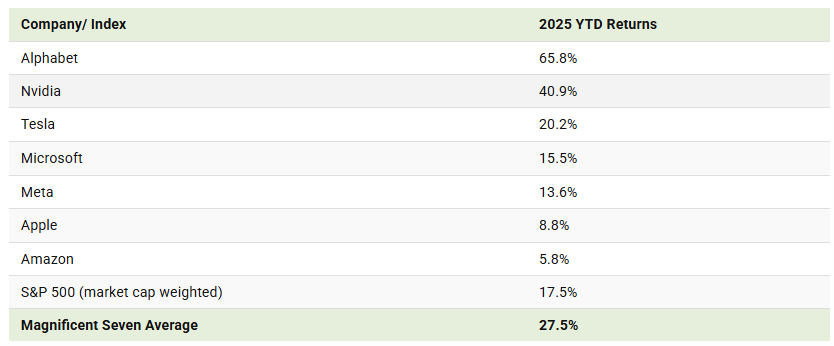
In recent years, the S&P 500 became increasingly concentrated in a handful of large technology companies, often referred to as the “Magnificent Seven.” These companies drove a significant portion of index returns. However, in 2025 we began to see signs of market broadening, where performance expanded beyond just the largest names.
Commodities, particularly gold, were among the strongest-performing asset classes in 2025.
Looking Ahead to 2026
Interest Rates
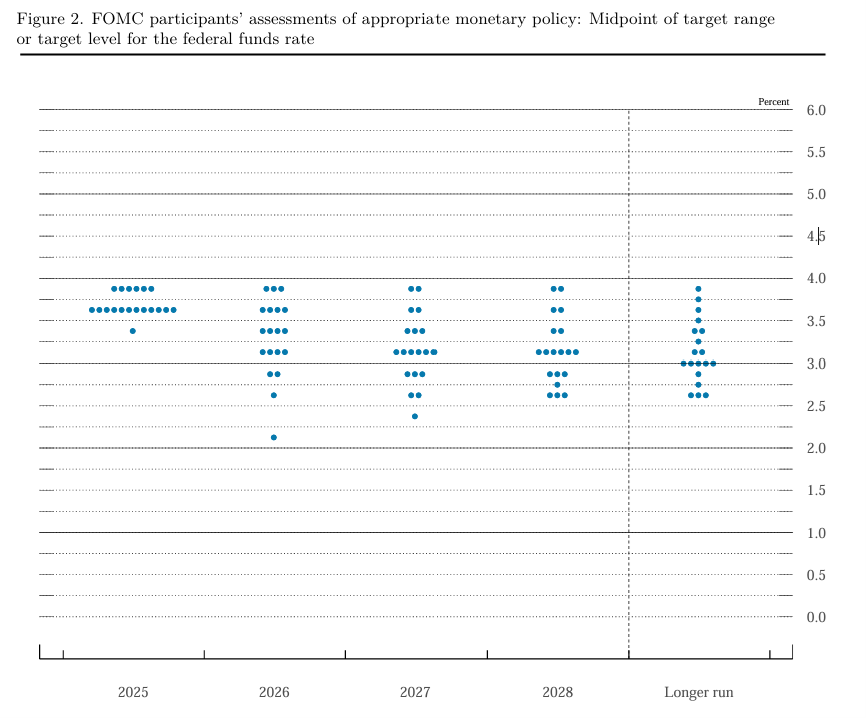
The Federal Reserve will again play a central role in 2026. Current expectations suggest two 25 basis point rate cuts this year. However, the pace of the Fed’s rate reductions is likely to be slower than in prior easing cycles. If the Fed is less aggressive in cutting rates, markets may not receive the same level of policy support investors have come to expect during periods of volatility. That said, fiscal policy responses or adjustments from the White House could also influence market direction if conditions weaken.
The key takeaway here is that interest rate policy may not provide the same tailwind it did in prior years. Portfolio positioning will matter more than broad market momentum.
Cash offered attractive, relatively risk-free yields over the past year. However, if the Fed proceeds with expected rate cuts, cash yields are likely to decline. As short-term rates fall, holding excess cash may become less compelling.
This creates an opportunity to thoughtfully redeploy “dry powder” into areas offering more attractive long-term potential, particularly during periods of market volatility.
Markets vs. the Economy
Another dynamic we are watching closely is the divergence between market performance and underlying economic data. Toward the end of 2025, markets were performing well while some cracks appeared in areas such as employment. Historically, large gaps between market optimism and economic reality tend to close over time.
Encouragingly, recent economic data showed a surprisingly strong 4.3% GDP growth reading in the most recent quarter, offering reassurance that the economy retains momentum. However, labor market trends remain an important variable to monitor.
Source: Federal Reserve
The Impact of High Valuations
With stock prices still above long-term historical norms, corporate earnings will play a critical role in determining whether current high valuations are justified. Over the last two quarters in 2025, stronger-than-expected earnings reports helped propel markets higher through the end of 2025. For markets to continue advancing in 2026, that earnings strength will likely need to persist.
Are you prepared for taxes in retirement?
For more long-term tax planning strategies, claim your FREE copy of Brandon’s eBook, Retire by Design!
Equities: Beyond the Mag 7
While we remain constructive on the year ahead, it is reasonable to anticipate more moderate returns compared to the past three years, along with periodic bouts of volatility. In this type of environment, portfolio outcomes are often driven less by relying on what had worked and more by thoughtful allocation decisions. Maintaining flexibility, and holding some strategic “dry powder,” may allow investors to take advantage of opportunities that arise during temporary market pullbacks.
Source: Visual Capitalist
Interestingly, some of those mega-cap stocks posted only modest gains last year, while many of the remaining companies in the index delivered stronger earnings growth. As earnings growth between the largest companies and the broader market begins to narrow, opportunities may emerge in areas such as value-oriented stocks and other underrepresented sectors. Even if headline index returns are more muted in 2026, there may still be meaningful opportunities beneath the surface.
At the same time, many of these large technology firms are investing heavily in artificial intelligence (AI) infrastructure. These capital expenditures are not one-time costs but ongoing investments necessary to remain competitive. Over time, sustained spending could place pressure on profit margins, which is another factor worth monitoring.
Bonds: Opportunities with Caution
Bonds delivered improved total returns in 2025 as yields eased modestly. However, long-term yields remain elevated relative to prior years. While the Fed’s actions primarily influence shorter-term rates, longer-term bond yields have not declined meaningfully and, in some cases, are higher than in 2024.
If inflation remains sticky, long-term yields may stay elevated, limiting price appreciation opportunity for bonds in the near term. That said, bonds once again offer meaningful income, an important component for those seeking stability and cash flow. Selective positioning within fixed income may uncover pockets of opportunity, particularly if economic growth moderates later in the year.
Wrapping Up
Overall, we remain cautiously optimistic about 2026. However, after three consecutive strong years for equities, expectations should be reset. Returns may be more muted yet remaining strong, and volatility may increase. The key to 2026 is likely going to revolve around thoughtful allocation and the ability to pivot as the year unfolds, similar to what we saw in 2025 as well.