
2026 Q3 Market Outlook

As we reach the midpoint of 2026, it is a good time to step back and evaluate where the markets stand, how the year has unfolded, and what we believe investors should be watching in the months ahead. Markets have navigated an eventful six months, making this a timely opportunity to revisit our outlook, assess what has changed, and discuss what could lie ahead.
Coming into this year, our outlook was measured. After two consecutive years of strong market performance, we expected more moderate returns in 2026. Perhaps solid, but not exceptional. We also anticipated continued challenges in the bond market and believed commodities could offer attractive opportunities as investors navigated persistent inflation and ongoing market uncertainty. While the first half of the year has brought its share of surprises, our core investment philosophy has not changed: remain disciplined, stay nimble, and be prepared to adjust as conditions evolve. With that perspective in mind, we will be discussing what has shaped the markets so far in 2026 and where we see potential opportunities and risks for the remainder of the year.
What We Expected in 2026
Entering 2026, we expected several themes to shape the investment landscape. We anticipated continued challenges in the bond market, a trend that has persisted since 2022. We also believed commodities could provide attractive opportunities as both an inflation hedge and a source of diversification during periods of market uncertainty.
Rather than making dramatic portfolio shifts, our focus was on remaining nimble. We expected markets to present both opportunities and challenges throughout the year, making it important to stay disciplined and adapt as conditions evolved.
What We Have Seen So Far in 2026
The first half of 2026 has largely reinforced that outlook. Markets experienced significant volatility early in the year as geopolitical tensions weighed on investor sentiment, leading to a sharp pullback in the spring. However, a strong rebound throughout the second quarter helped drive an impressive recovery and left the market in a much stronger position by midyear.
At the halfway point, stocks have already delivered the high single-digit returns we initially expected for the full year. Bonds have continued to face headwinds, while commodities have been one of the year's standout performers. During periods of heightened volatility, commodity exposure has helped cushion portfolio swings while also creating meaningful opportunities for investors.
Perhaps the most encouraging development has been the breadth of the market rally. In recent years, gains were heavily concentrated among the "Magnificent Seven" technology companies. While several of those firms continue to perform well, leadership has broadened considerably in 2026, with strength coming from a wider range of sectors and industries. That is a positive sign, as it suggests the market's performance is being supported by a healthier and more diversified foundation.
As we look ahead to the second half of the year, our attention is shifting to the key opportunities and risks that could shape market performance in the months ahead.
Are you prepared for taxes in retirement?
For more long-term tax planning strategies, claim your FREE copy of Brandon’s eBook, Retire by Design!
What May Be Ahead in 2026
Oil Prices
One of the biggest variables we are watching as we move through the second half of the year is oil. Ongoing geopolitical tensions, particularly in the Middle East, have pushed energy prices higher and raised understandable concerns about how those increases could affect both consumers and the broader economy.
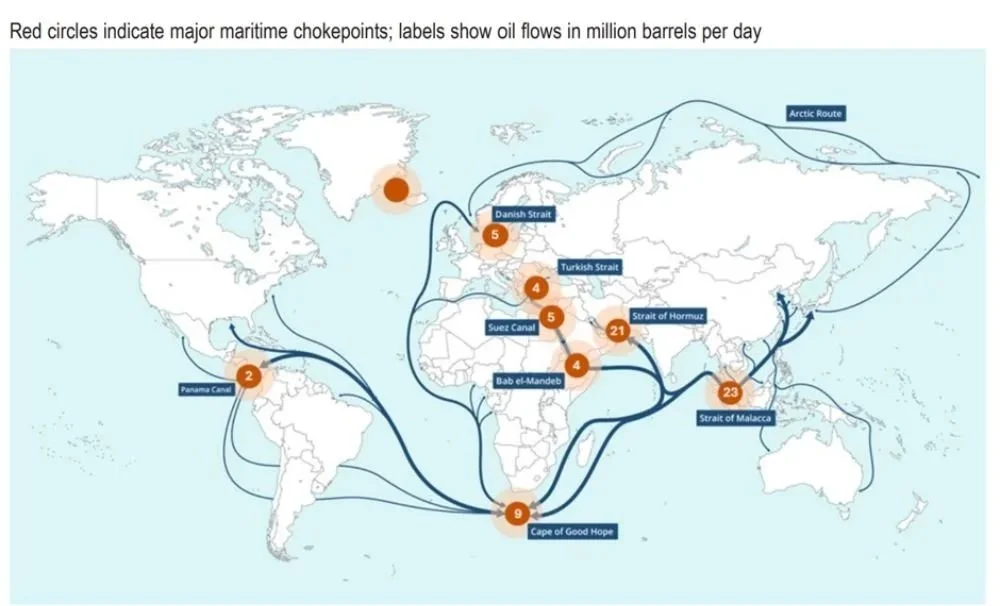
History provides some helpful perspective. While sharp spikes in oil prices often create market volatility, they have not typically been the primary driver of prolonged market declines. In many of the periods when stocks struggled following a surge in oil prices, other factors such as high inflation, the dot-com crash, or aggressive Federal Reserve rate hikes have played a much larger role. That said, we are paying close attention to the possibility of persistently elevated oil prices. While markets have demonstrated resilience in the face of rising energy costs, an extended period of higher prices could begin to weigh on consumer spending and slow economic growth.
For now, this remains a risk to monitor rather than an immediate cause for concern. We also believe continued exposure to commodities can help provide diversification and act as a hedge if energy prices remain elevated, making it an area that could continue to add value in the current environment.
Interest Rates
Interest rates remain another key area we are watching as we move through the second half of 2026. At the beginning of the year, many investors expected the Federal Reserve to begin lowering rates by midyear and continue cutting through the remainder of 2026. While we viewed that outcome as less certain, market expectations have shifted considerably as the year has progressed.
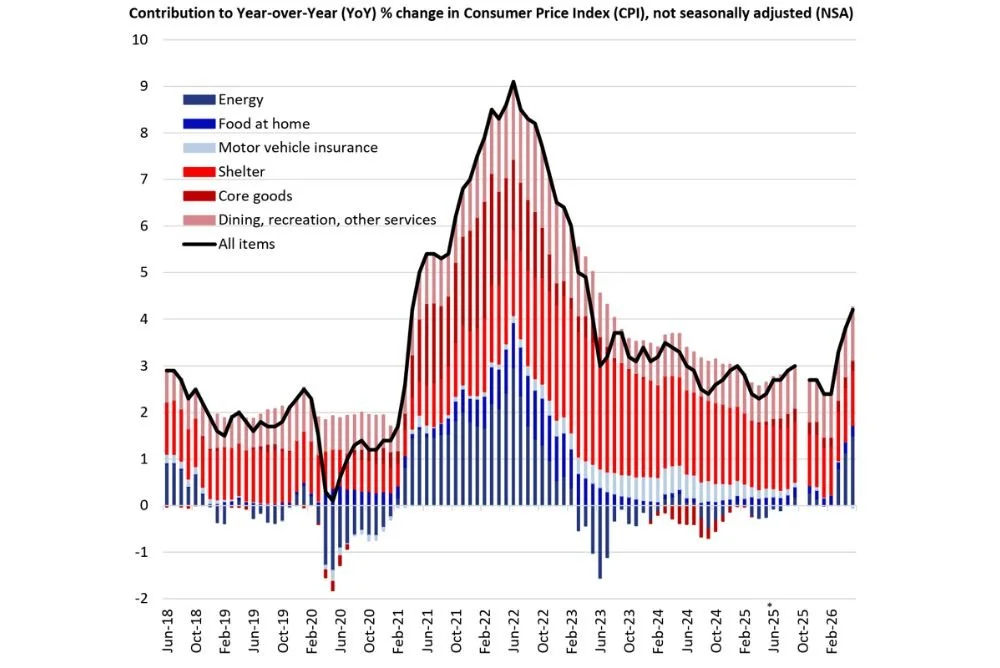
Today, the outlook for interest rates is far less clear. Inflation remains an important factor in the Fed's decision-making, and as a result, we believe interest rates are likely to remain elevated for longer than many initially anticipated. That affects everything from bond yields and mortgage rates to auto loans and credit cards.
A higher-for-longer rate environment does not necessarily signal trouble for the economy or the markets, but it does require a disciplined approach. If inflation remains persistent or the Fed signals additional rate increases, markets could experience periods of short-term volatility.
Within our portfolios, that means continuing to take a measured approach to fixed income. Rather than reaching for higher yields by taking on additional risk, we believe it is important to maintain high-quality bond holdings and keep portfolio duration appropriately positioned. Bonds are intended to provide stability and diversification, and we believe preserving those characteristics remains more important than chasing incremental income in today's interest rate environment.
Corporate Earnings & Valuations
One of the most encouraging developments we have seen this year has been the strength of corporate earnings. As companies report second-quarter results, earnings growth is expected to exceed 20% and early reports suggest many businesses are meeting, or even surpassing, those expectations. If earnings continue their current trajectory, it will mark two consecutive quarters of more than 20% earnings growth. That is a meaningful catalyst for the market, as strong corporate profits have historically provided an important foundation for continued market gains.
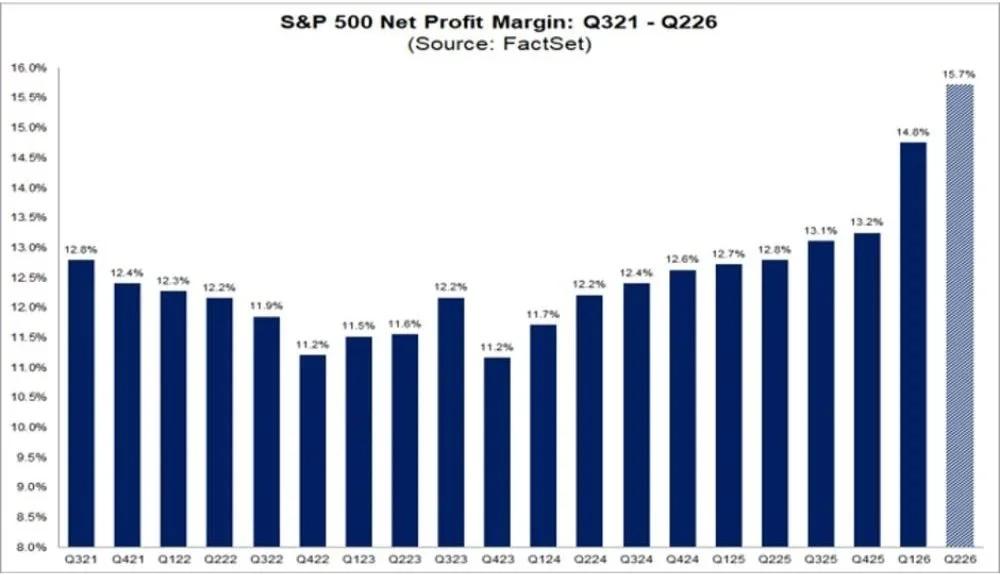
Source: FactSet
Earlier this year, we expressed some caution around market valuations, particularly as stock prices had outpaced earnings growth. Much of that concern was driven by the elevated valuations of the "Magnificent Seven" and other large-cap technology companies. Today, the picture looks more balanced. While valuations remain above historical averages in some areas of the market, the strong earnings we have seen throughout 2026 have helped justify many of those higher prices. In other words, corporate fundamentals have improved, allowing the market to "grow into" its valuations rather than relying solely on investor optimism.
Taken together, strong earnings and healthier valuations provide a constructive backdrop for the remainder of the year. While markets will likely continue to experience periods of volatility, these underlying fundamentals support our view that there is still room for markets to move higher through the second half of 2026.
Final Thoughts As We Look Ahead to Year End
While the outlook remains constructive, uncertainty has not disappeared. Geopolitical tensions continue to evolve, the path of interest rates remains unclear, and higher oil prices could create additional headwinds if they persist. These are all factors we will continue to monitor closely in the months ahead.
Even with those risks, we remain cautiously optimistic about the second half of 2026. Strong corporate earnings, healthier valuations, and broader market participation provide encouraging signs that the market has the potential to continue building on its gains. At the same time, we believe maintaining a disciplined, diversified approach remains the best way to navigate an environment that can change quickly.
Rather than trying to predict every market move, our focus is on building portfolios that can participate in long-term growth while remaining resilient if conditions shift. As always, we'll continue to monitor the data, keep our defense in place, adapt when necessary, and manage through any potential downturn.